
ELECTRICAL DESIGN FOR WASTEWATER TREATMENT PLANT (WWTP) & PUMP STATIONS
In today’s rapidly evolving infrastructure landscape, the reliable operation of wastewater treatment plants and pump stations is essential to public health, environmental protection, and sustainable development. At the heart of these systems lies robust and efficient electrical design—ensuring that processes …
Overview
In today’s rapidly evolving infrastructure landscape, the reliable operation of wastewater treatment plants and pump stations is essential to public health, environmental protection, and sustainable development. At the heart of these systems lies robust and efficient electrical design—ensuring that processes run safely, continuously, and cost‑effectively.
This course on Electrical Design for Wastewater Treatment Plants and Pump Stations is designed to equip engineers, technicians, and industry professionals with the practical skills and knowledge required to design, analyse, and implement modern electrical systems for water and wastewater facilities.
Participants will gain hands-on insight into power distribution, motor control, automation, instrumentation, and SCADA systems, while also learning how to integrate safety, reliability, and energy efficiency into real-world designs. Through practical examples and design-focused learning, you will develop the confidence to tackle complex projects, optimise system performance, and meet industry standards.
Whether you are looking to advance your career, enhance your technical expertise, or transition into the water sector, this course provides the tools and knowledge you need to succeed.
Target Audience
This course is designed for:
- Electrical Engineers
- Plant Engineers
- Consulting Engineers
- Technologists and Technicians
- Project Engineers
- Municipal Infrastructure Engineers
- Maintenance Engineers
- Water and Wastewater Professionals
- GCC Candidates
Module 1: Introduction to Wastewater Systems
- Overview of wastewater treatment plants (WWTP)
- Types of pump stations (lift stations, transfer stations)
- Process flow: inlet → treatment → discharge
- Role of electrical systems in WWTP operations
Module 2: Electrical Design Basics
- Power system fundamentals (AC systems, load types)
- Electrical standards (IEC, SANS, IEEE, NFPA)
- Design philosophy and safety considerations
- Single-line diagrams
Module 3: Load Estimation & Power Supply
- Load assessment (motors, lighting, auxiliaries)
- Demand and diversity factors
- Utility supply options (LV/MV systems)
- Standby and emergency power (generators, UPS)
Module 4: Pumping Systems & Motors
- Types of pumps (submersible, dry well, centrifugal)
- Motor selection and sizing
- Starting methods:
- DOL
- Soft starters
- VFDs
- Pump duty/standby philosophy
Module 5: Power Distribution Systems
- Distribution voltage levels (e.g. 400V, 600V)
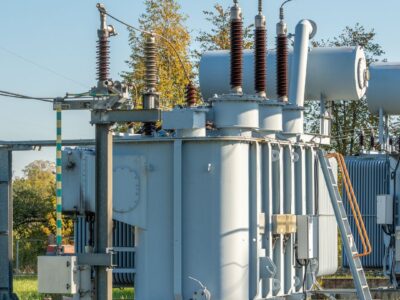
- Transformers and substations
- Switchgear and MCCs (Motor Control Centres)
- Cable selection and routing
- Earthing and bonding systems
Module 6: Control Systems & Automation
- Control philosophies (manual vs automatic)
- PLC systems
- SCADA systems
- Remote monitoring and telemetry
- Interlocks and sequencing
Module 7: Instrumentation & Process Control
- Measurement systems:
- Flow
- Level
- Pressure
- Temperature
- Sensors and transmitters
- Control loops (PID)
- Alarm systems and safety interlocks
Module 8: Protection & Safety Systems
- Electrical protection:
- Overcurrent
- Earth leakage
- Short circuit protection
- Hazardous area classification (ATEX/IECEx)
- Fire protection (e.g. NFPA 820)
- Lockout/tagout procedures
Module 9: Pump Station Electrical Design
- Station layout and equipment selection
- Wet well level control systems
- Pump control panels (float switch, level sensors)
- Surge protection (water hammer)
- Ventilation and lighting design
Module 10: Energy Efficiency & Reliability
- Energy optimization (VFDs, power factor correction)
- Reliability design (redundancy, N+1 systems)
- Maintenance strategies
- Lifecycle costing
Module 11: Design Calculations & Drawings
- Cable sizing calculations
- Voltage drop calculations
- Short-circuit analysis
- Protection coordination
- Electrical drawings:
- Single-line diagrams
- Schematic diagrams
- Layout drawings
Module 12: Installation, Commissioning & Testing
- Equipment installation practices
- Testing procedures (FAT, SAT)
- Commissioning steps
- Documentation and handover
Module 13: Operation & Maintenance
- Preventive maintenance strategies
- Fault finding and troubleshooting
- Upgrading and retrofitting systems
Module 14: Case Studies & Practical Design
- Real WWTP/pump station design examples
- Design exercises:
- Pump sizing
- Control design
- Power distribution layout
- SCADA implementation scenarios
Curriculum
- 1 Section
- 1 Lesson
- 10 Weeks
- ELECTRICAL DESIGN FOR WASTEWATER TREATMENT PLANT (WWTP) & PUMP STATIONS1
Instructor



Course Features
- Lecture 1
- Quiz 0
- Duration 10 weeks
- Skill level All levels
- Language English
- Students 1
- Assessments Yes
